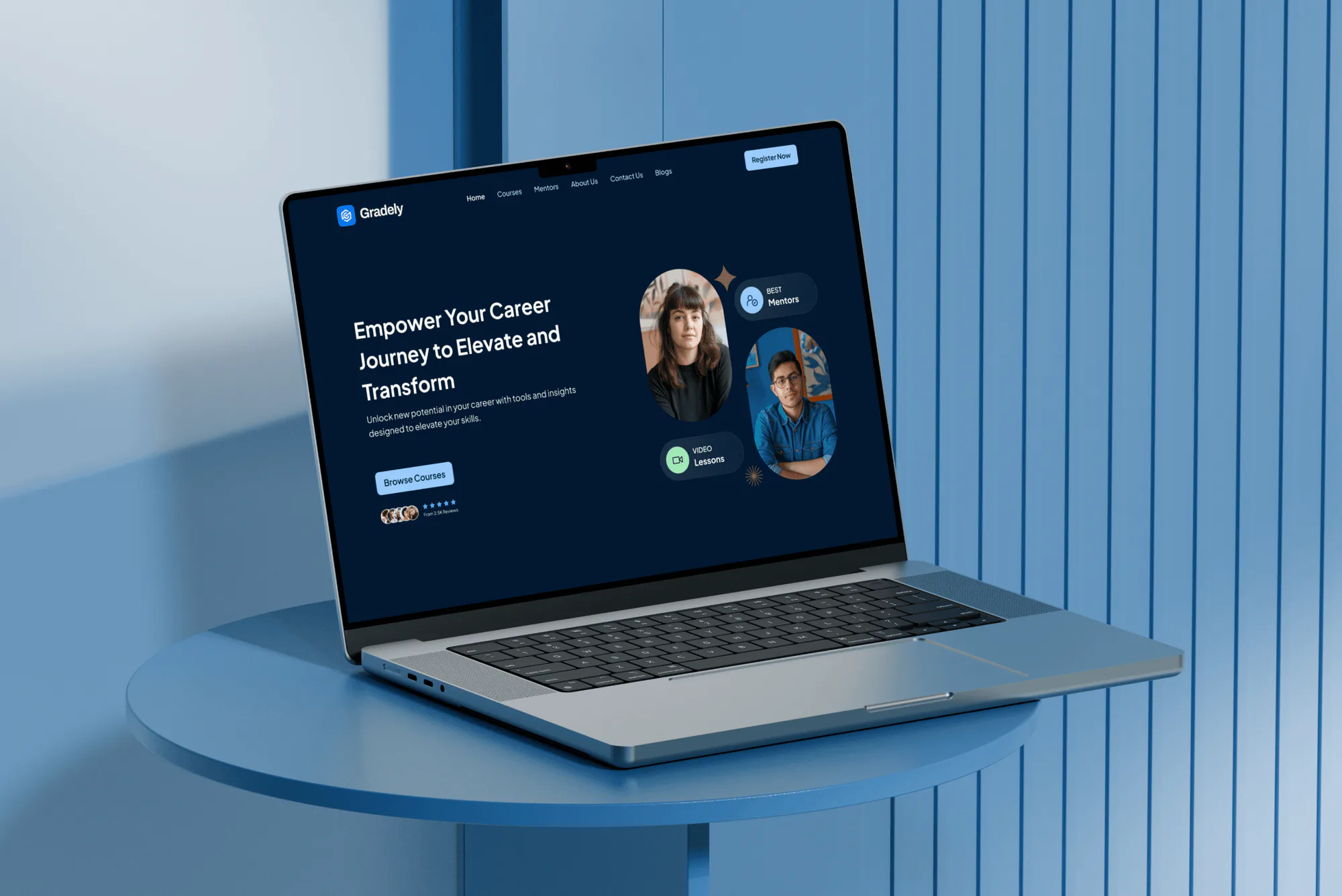
Gradely E-Learning Website Design & Development
- Education
- Dashboard
- Membership Platform

For colleges and universities where accounts outlive the people who own them: MFA, GLBA safeguards for aid data, and an owner for every system, from $1,250.
100%
Aid system logins behind MFA
1owner
Named for every campus system
How your project runs
01 · FreeIndustry leaders we work with
 Moodle
 Cloudflare
 Google Sheets
The Problem
It shows up when the student aid compliance audit asks for your GLBA risk assessment. Or one phished faculty password opens email, the LMS, and the student system at once.
Ghost accounts
Former faculty and staff still sign in months after leaving.
Ghost accounts
Accounts disabled from HR and registrar dates, with a monthly check for leftovers.
Shared logins
Student workers share one login to the aid system.
Shared logins
Named accounts with MFA for every person who opens financial aid records.
Hidden servers
Department and lab servers run outside central IT's view.
Hidden servers
An inventory from scans and interviews, with an owner named for each system.
Audit gap
The auditor asks for a GLBA risk assessment you lack.
Audit gap
A written risk assessment and security program built for the student aid audit.
A professor who left in May still signs in to Canvas. Three student workers in the financial aid office share one login to the aid system. A research lab in the engineering building runs its own server that central IT hasn't scanned. Alumni keep email for life, and some of those accounts still open file-sharing tools. Then the compliance auditor asks for your written GLBA risk assessment and the name of your qualified individual. Leave it, and one stolen password reaches student records, aid files, and research data through the same single sign-on.
We start with identity, because single sign-on decides what every account can reach. Each population (applicants, students, alumni, adjuncts, researchers, and staff) gets a lifecycle rule, and MFA goes on financial aid and student system logins first. Then we inventory departmental servers, write the GLBA risk assessment and security program, and name an owner for each system. Accounts close when people leave, not years later.
Accounts that close on time
Lifecycle rules for applicants, graduates, adjuncts, and staff, so access ends when the role does.
GLBA program for aid data
A written risk assessment and safeguards for the student aid records your auditor reviews.
Departmental systems found
Lab and department servers inventoried and given owners, so central IT can patch what it can see.
Our Cybersecurity Services for Higher Education Process
You approve the account rules, the system inventory, and every policy before it goes live. Changes to student logins are timed around registration, exams, and the start of term.
We go over your identity setup, student and HR systems, financial aid office, and any audit findings. You leave with a fixed quote and a list of what to gather. If your central IT and current tools already cover a gap, we'll tell you before we quote.
Projects We've Built
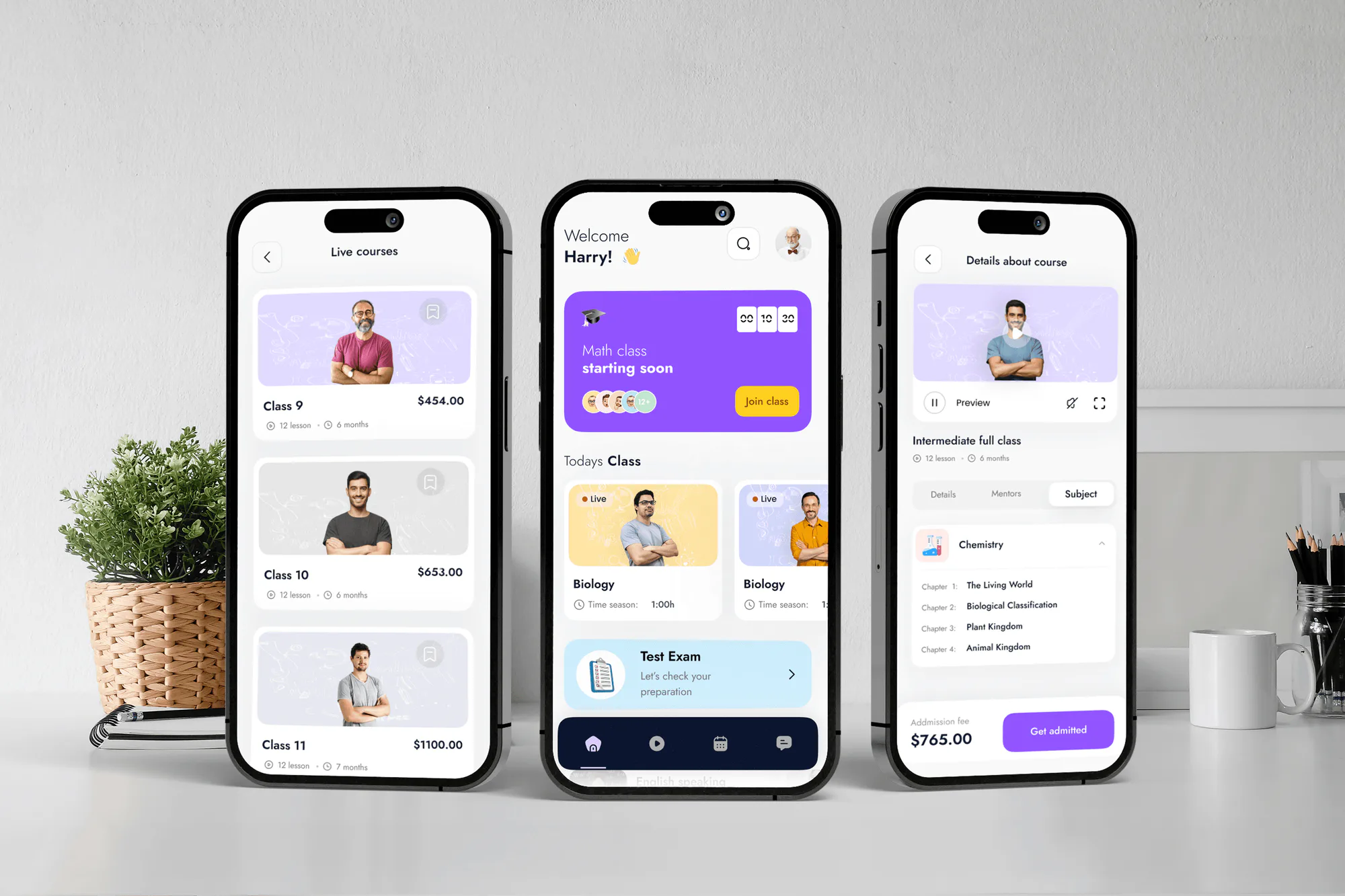
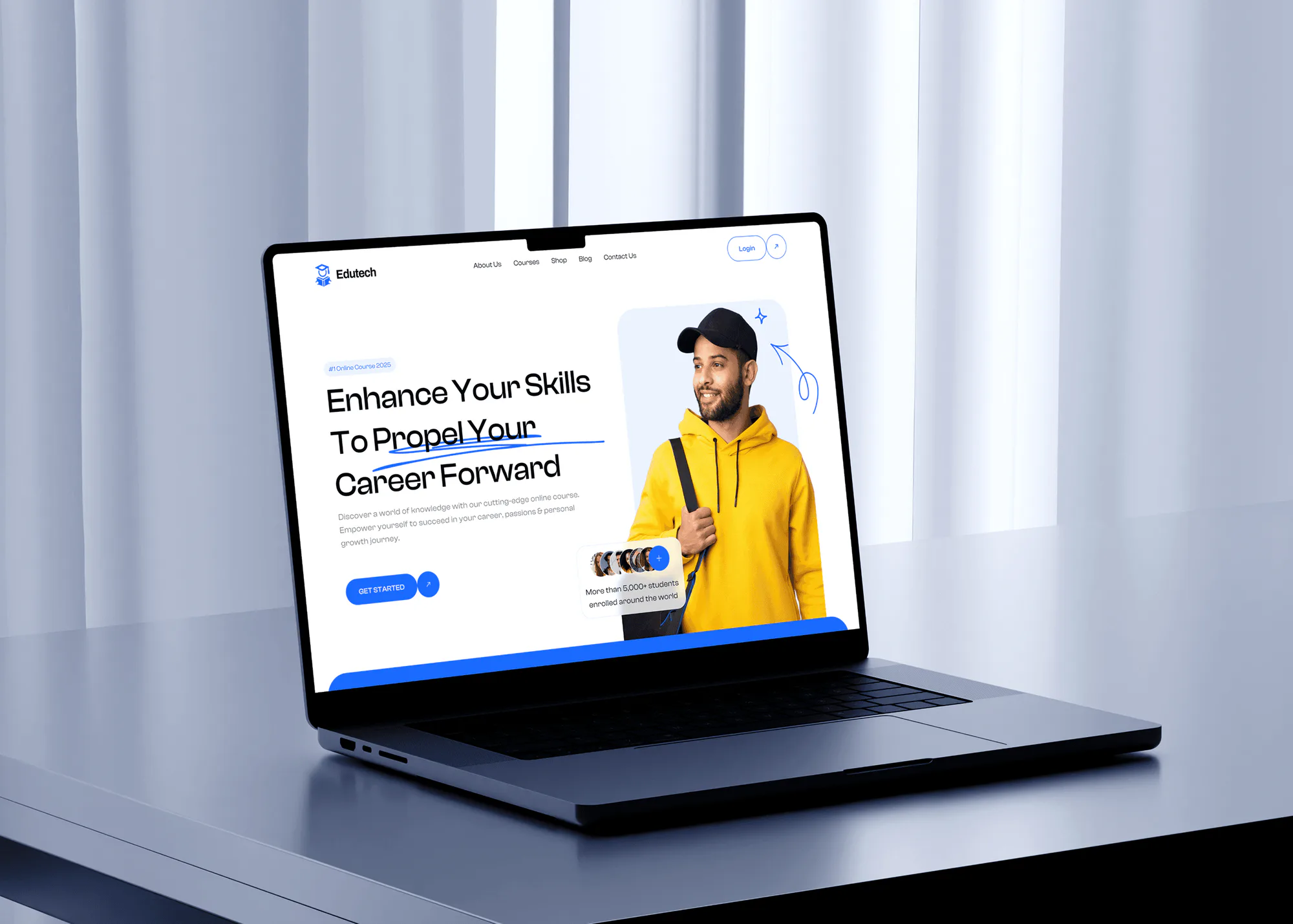
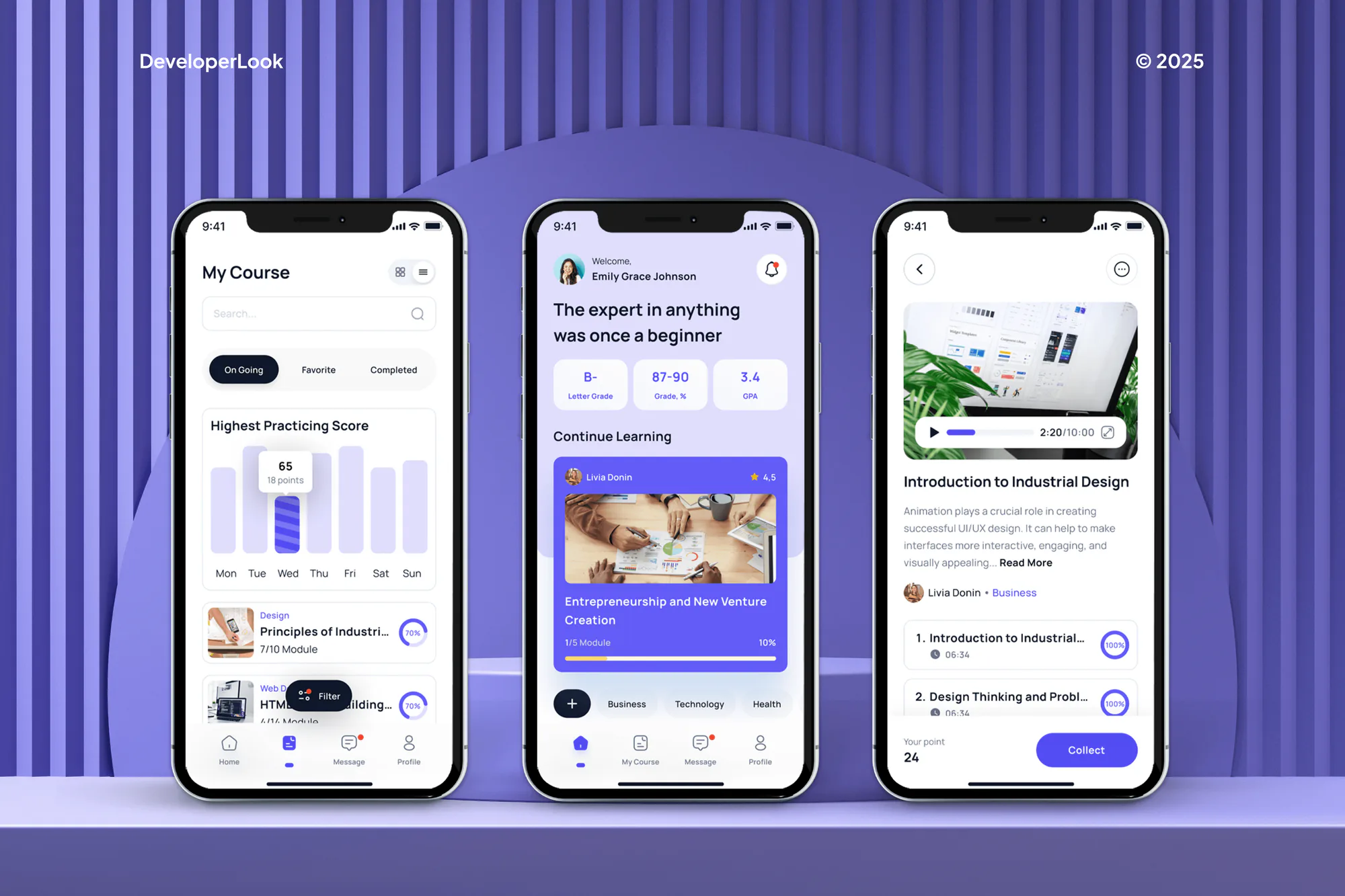
These e-learning websites and apps were design and build projects for education teams, not security engagements. They show we know the platforms students sign in to.
What's Included
Everything a college or university needs to know who can reach which system: account rules, MFA, a system inventory, the GLBA program for aid data, vendor checks, and training.
Compare Options
Your central IT team and a managed SOC each cover part of cybersecurity for higher education, and each is the right choice for some campuses. The rows show where each one stops.
| Feature | DeveloperLookBest fit | Campus IT alone | Managed SOC |
|---|---|---|---|
| Planning | Free call, fixed written scope | Fits around daily help desk tickets | Onboarding and a monthly contract |
| Account cleanup | Every population matched to HR records | Strong local knowledge, little spare time | Not usually in scope |
| Departmental servers | Found by scans and interviews | Knows central systems best | Only what runs their agent |
| GLBA program | Written for your aid office | Often left to compliance staff | Rarely written for you |
| Alert monitoring | Handed to your team or provider | Business hours only | Around the clock alert watch |
| Staff training | Aid and registrar staff, signed records | Annual video module | Phishing tests sold separately |
| Cost | Fixed price from $1,250 | Staff time already budgeted | Ongoing monthly fee |
| Ownership | Documents and register stay yours | Yours, once someone writes them | Reports live in their portal |
What Our Clients Say
Feedback from teams we have built apps, platforms, and websites for.
We had a pretty specific idea of what we wanted our website to become, but I wasn’t sure how easily we could explain all of it to a development team. There were quite a few moving parts, and we were working toward a deadline, so I expected a few things to get lost along the way. That never really happened. They understood what we were trying to achieve, kept us updated throughout the process, and got everything ready within the agreed timeline. The final site feels much easier to navigate, works beautifully on mobile, and is noticeably smoother for our customers. It was a huge relief seeing the original idea actually turn into the website we had in mind.
The mobile experience is probably my favourite part of the new site. We had spent a lot of time making sure the desktop version looked right, and the team kept pushing us to think about how everything would actually feel on a phone too. They were right. The navigation is clean, the interactions feel natural, and everything we’ve tested so far works exactly as it should. They also went through the links, forms, integrations, and other details more than once before launch, which I really appreciated. And even after going live, we could still reach out when something came up. The whole process felt friendly, organised, and surprisingly straightforward.
What I appreciate most is that the website is actually easy for us to manage now. We can update content ourselves instead of sending a developer a message every time we need to change something small. They also paid attention to the technical SEO side, which mattered to us because we didn’t want a new website to create problems for the traffic we already had. I’ve probably asked more questions than I should have since launch, but every question has been handled patiently and without any fuss. The team is easy to work with, they explain things clearly, and when we need something changed, they focus on getting it done rather than making the process complicated.
1,250+
Projects shipped
10+
Years of experience
5 stars
Clutch rating
5 stars
GoodFirms rating
Excellent
Trustpilot rating
Top 3%
Upwork Top Rated Plus
1,250+
Projects shipped
10+
Years of experience
5 stars
Clutch rating
5 stars
GoodFirms rating
Excellent
Trustpilot rating
Top 3%
Upwork Top Rated Plus

Want results like these?
Tell us what you are building. You get a reply within 24 hours on business days, then a written estimate.
Work Culture
We work inside the way colleges really run: decentralized departments, constant account turnover, and an academic calendar that decides when change is safe.
We schedule MFA rollouts and account cleanups away from registration, add and drop week, and finals. Students and faculty meet new sign-in steps when the help desk can answer the calls.
Colleges and labs run their own systems for good reasons. We give each one an owner and a minimum standard instead of pulling everything into central IT.
Single sign-on means one stolen password can open many systems. We fix who can sign in to what before suggesting any new security product.
We write the GLBA program so your auditor can check it, but we can't promise the finding. Your auditor and Federal Student Aid make that call, and we say so up front.
You get one price for your systems, populations, and campuses before work starts. A school or campus added later gets its own quote up front.
Policies, the account register, the inventory, and training records sit in one folder you own. Next year's audit request becomes a quick export instead of a scramble.
Overview
DeveloperLook provides cybersecurity services for higher education to colleges and universities. We clean up accounts by population, put MFA on aid and student systems, inventory departmental servers, and write the GLBA risk assessment and program. Projects start at $1,250 and take 2 to 12 weeks at a fixed price, scheduled around your academic calendar.
DEVELOPERLOOK
Project facts · Cybersecurity Services for Higher Education
Reviewed 27 Oct 2026 by Saimul Islam
Good fit
Private colleges with a small IT team
Your 6-person IT team runs everything from Wi-Fi to the student system, and the compliance auditor just flagged your missing GLBA risk assessment.
Universities with decentralized department IT
Your colleges and research labs run their own servers and cloud accounts, and central IT can't say how many exist or who patches them.
Community colleges with high account turnover
You add and remove thousands of student accounts each term, and nobody has checked whether former adjuncts and student workers still sign in.
Research teams handling controlled data
Your federal research contract names NIST SP 800-171, and the lab needs its systems scoped before the sponsor asks for evidence.
Agencies and MSPs serving campuses
You support colleges under contract and want outsourced cybersecurity for universities delivered under your brand, with your client signing off.
Not a fit
K-12 school district
You run a K-12 district where Chromebooks and student apps are the main risk. Cybersecurity for Schools is built for districts and their student accounts.
Monitoring only
Your policies and accounts are in order, and you only need alerts watched around the clock. Managed Security Services or SOC as a Service fits better than a project.
Need a CMMC assessment
Your research group needs a formal CMMC assessment for a defense contract. CMMC Consulting covers readiness, and an authorized assessor issues the result.
Budget under $1,250
You have under $1,250 and one small office to secure rather than a campus. Cybersecurity Services for Small Business is a cheaper place to start.
Not sure we're the right fit?
Book a free call or message us. We'll tell you honestly whether we're the right team.
Pricing
These are starting points in USD. Your final price depends on enrollment, systems, campuses, and how decentralized your IT is, and you get a fixed proposal after a free campus call.
For Agencies
You own the campus relationship and the contract. We supply the security work behind it: account reviews, MFA rollouts, GLBA programs, and system inventories, delivered in your branding for your client's IT leadership to approve.
White label: your client only ever sees your brand
Send the systems, account populations, and audit findings, and we scope it in 2 business days.
One fixed white-label price and a named lead for each college client.
Inventory, program, and training records arrive ready for your client's sign-off.
Send the systems, account populations, and audit findings, and we scope it in 2 business days.
One fixed white-label price and a named lead for each college client.
Inventory, program, and training records arrive ready for your client's sign-off.
The Right Technology for Your Project
These are the identity, campus, and security tools where college accounts and student data live. We secure what your IT team already runs before suggesting anything new.
MoodleCloudflareGoogle SheetsFAQ
Straight answers on cost, timing, GLBA and FERPA duties, research data, and running the program after handover.
Saimul IslamFounder & CEO, DeveloperLookStill have questions?
Send a message or book a call with the team.
DeveloperLook's higher education security work starts at $1,250 for a campus access review. That covers accounts across SSO, SIS, LMS, and email, MFA on aid and SIS logins, an owned system inventory, and a GLBA gap list. A full program with the risk assessment and policies costs $3,400, and multi-campus work starts at $6,850.
Expect 2 to 3 weeks for a campus access review and 6 to 12 weeks for a full program. The length depends on how many systems, campuses, and account populations you have. We time MFA rollouts and account cleanups away from registration and finals, which can stretch a project that starts mid-term.
Yes, if your school takes part in federal student aid programs. Title IV schools agree to the FTC Safeguards Rule in their Program Participation Agreement, and Federal Student Aid checks it in the annual compliance audit (Electronic Announcement GEN-23-09). That means a qualified individual, a written risk assessment, MFA, encryption, and an incident response plan.
The best security solutions for the education sector start with identity: MFA, single sign-on, and accounts that close when people leave. After that come patched internet-facing systems, tested backups, and staff who spot phishing. The cybersecurity solutions for higher education that matter most are the ones your team can keep running every term.
It depends on account hygiene more than on firewalls. The usual weak points are accounts that outlived their owners, shared logins in busy offices, and department servers nobody patches. Cybersecurity in higher education improves fastest when those three are fixed and MFA protects every login that reaches student or aid records.
Yes, when a federal contract or agreement gives the lab controlled unclassified information, often through the DFARS 252.204-7012 clause. We scope which systems touch that data, so the controls cover a small enclave instead of the whole campus network. Where a CMMC assessment is required, an authorized assessor performs it.
We give every department and lab an owner and a minimum standard rather than taking their systems away. Scans of your public domains and interviews with department leads find what central IT can't see. Each system then gets MFA, patching, and backup rules that its owner signs off on.
Not on this page: this is fixed-price project work that leaves your team running the program. If you want alerts watched around the clock, our Managed Security Services and SOC as a Service pages cover monitoring. The account rules and inventory from this project make that monitoring easier to tune.
FERPA protects the privacy of student education records, but it doesn't list technical controls. We treat it as a reason to restrict who can open records in the SIS and LMS, log that access, and vet vendors that receive student data. Your registrar and counsel decide FERPA questions, and we supply the technical side.
Your qualified individual and IT team do, using the account register, system inventory, and yearly calendar we leave. The calendar sets dates to rerun the risk assessment, review accounts, retest backups, and refresh training before each audit. We answer questions for 30 days after handover, and later reviews are quoted as fixed-price jobs.
Saimul IslamFounder & CEO, DeveloperLookStill have questions?
Send a message or book a call with the team.
Free 30-min callGoogle Meet
Book a call
In 30 minutes on Google Meet we walk you through how we would build it, how long it takes and what it costs. Then you get a written estimate.
Calendar not showing? Book on cal.com or send a brief.